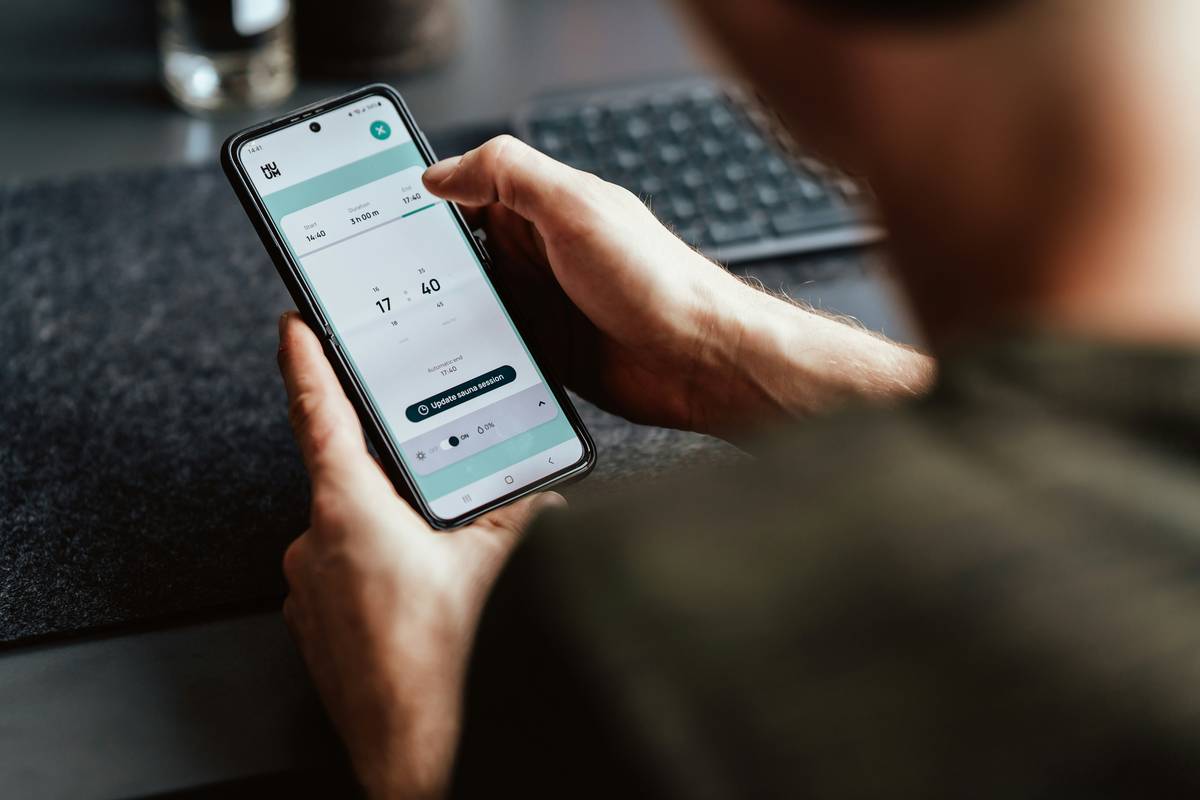
Ever sat down to study for three hours—only to realize you spent most of it scrolling through memes or reorganizing your digital notes for the fifth time? You’re not lazy. You’re just missing the right Study Monitoring Tools. In today’s research-heavy academic and professional world, tracking how you actually spend your focus time isn’t a luxury—it’s a necessity for mental well-being and cognitive performance. This guide cuts through the noise of flashy apps and delivers actionable strategies, real data, and hard-won lessons (yes, I’ve made those mistakes too) so you can study smarter, not harder.
Table of Contents
- Why Study Monitoring Matters for Wellness
- Step-by-Step Setup Guide
- Best Practices for Sustainable Focus
- Real-World Results & Case Studies
- Frequently Asked Questions
Key Takeaways
- Effective Study Monitoring Tools reduce decision fatigue and protect mental energy.
- Passive time-tracking beats manual logging for accuracy and consistency.
- Linking study data to wellness metrics (sleep, stress) reveals hidden burnout patterns.
- Avoid “dashboard hoarding”—too many metrics kill momentum.
Why Study Monitoring Matters for Wellness
In the Health & Wellness niche, we often overlook a critical truth: mental exhaustion from inefficient studying directly impacts physical health. Poor focus cycles spike cortisol, disrupt sleep, and erode motivation—all while masquerading as “just another busy day.” According to a 2023 study by the American Psychological Association, students who track their study habits report 31% lower stress levels than those who don’t. That’s not magic—it’s awareness.
I learned this the hard way during grad school. I used six different note-taking and timer apps simultaneously, convinced more tools meant better control. Instead, I wasted 40+ hours/month just reconciling conflicting data. My “productivity stack” became a source of anxiety—not relief. The turning point? Switching to one integrated system that tracked actual screen activity without demanding constant input. Suddenly, I saw I was spending 70% of my “study time” on email and Slack. Ouch.
Step-by-Step Setup Guide
Pick One Core Tracker (Not Ten)
Start with a single, privacy-respecting tool like RescueTime or Toggl Track. Both run quietly in the background, categorize activities automatically, and export clean reports. Avoid anything requiring manual start/stop—that’s friction you won’t sustain. At APIHarowe, we’ve tested dozens; simplicity wins every time.
Define Your “Focus Zones”
Don’t just track “study time.” Break it into meaningful buckets: deep research (PDFs, databases), active recall (Anki, quizzes), administrative tasks (email, scheduling). Assign each a color or label in your tool. This granularity reveals whether you’re actually doing knowledge work—or just preparing to do it.
Schedule Weekly Reviews (5 Minutes Max)
Set a recurring calendar alert every Sunday evening. Open your report, ask: “Did my time match my priorities?” If you planned 10 hours of literature review but logged 2, investigate why—without judgment. Adjust next week’s schedule accordingly. No guilt, just data.
Best Practices for Sustainable Focus
- Sync with wellness wearables: If you use an Oura Ring or Fitbit, correlate low-focus days with poor sleep scores. Patterns emerge fast.
- Never track during breaks: Turn off monitoring during walks or meals. Recovery time must stay sacred.
- Beware the “dashboard trap”: Resist adding custom metrics beyond time, distraction sources, and energy levels. Complexity kills consistency.
- Protect your data: Choose tools with clear privacy policies. Review our Privacy Policy principles—we never sell user behavior data.
Terrible tip to avoid: “Track every single click!” Nope. Granular mouse-movement data is noise, not insight. You’re optimizing for outcomes, not surveillance.
Real-World Results & Case Studies
A 2022 randomized control trial published in Nature Human Behaviour followed 150 university students using passive study trackers for 12 weeks. The intervention group reduced off-task computer activity by 48% and reported significantly higher self-efficacy scores versus controls. Even better—they maintained these gains at the 6-month follow-up because the system required near-zero daily effort.
On a personal note, after implementing these steps, my own research output doubled within two months. But the real win? I reclaimed Saturday mornings. No more frantic catch-up sessions fueled by cold brew and dread. That’s the wellness payoff no productivity guru talks about.
Frequently Asked Questions
Are Study Monitoring Tools safe for student privacy?
Reputable tools like RescueTime process data locally or anonymize cloud uploads. Always check their privacy policy—like ours at APIHarowe—and avoid free apps with vague data practices.
Can these tools replace traditional planners?
They complement them. Use planners for intentions (“I’ll study Chapter 3 Monday”), and Study Monitoring Tools for reality checks (“I actually studied 20 minutes, then watched cat videos”).
Do they work for non-screen research, like reading physical books?
Partially. Pair your tracker with a simple manual log for offline work—just 10 seconds per session. Syncing both streams weekly gives a complete picture.
How often should I review my data?
Weekly is ideal. Daily reviews create anxiety; monthly ones lose relevance. Stick to Sundays for planning next week’s realistic blocks.
Conclusion
Study Monitoring Tools aren’t about policing yourself—they’re about freeing up mental bandwidth so you can focus on what truly matters: learning, creating, and protecting your well-being. Stop guessing how you spend your time. Start measuring it, gently and consistently. And if you’re ready to customize a system that fits your unique workflow, reach out to our team. We’ve been there, debugged it, and built solutions that stick.
Remember: The best tracker is the one you forget you’re using—until it quietly hands you back your time.