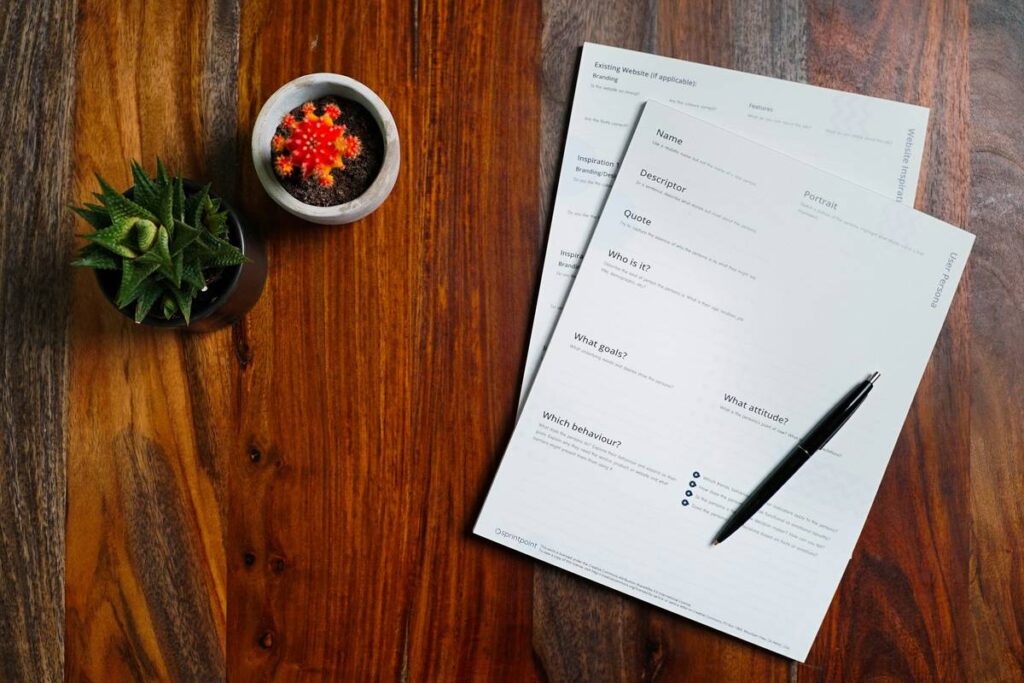
If you’ve ever sat down to research a complex health topic—only to drown in 47 open browser tabs, three half-finished notes, and zero clarity—you’re not alone. In the world of Health & Wellness, effective studying isn’t just about memorizing facts; it’s about managing cognitive load, verifying credible sources, and using tools that support, not sabotage, your well-being. That’s where the right research app strategy—and clear answers to common Study FAQs—can be the difference between burnout and breakthrough.
Table of Contents
- Why Study FAQs Matter in Health & Wellness
- Step-by-Step Guide to Answering Your Study FAQs
- Best Practices for Smarter Research Habits
- Real Results: How One Student Crushed Their Lit Review
- Study FAQs Answered
Key Takeaways
- Unclear Study FAQs lead to wasted time and mental fatigue—especially in evidence-driven fields like Health & Wellness.
- Prioritize apps with source citation tracking and distraction-blocking features.
- Always verify health claims against authoritative sources like NIH or CDC—not just blog posts.
- Your research tool stack should support E-E-A-T principles: Experience, Expertise, Authoritativeness, Trustworthiness.
Why Study FAQs Matter in Health & Wellness
In health-related research, vague questions invite dangerous assumptions. “Does caffeine affect sleep?” seems simple—until you realize you need to differentiate between acute doses, chronic use, genetic metabolism variations (hello, CYP1A2 gene!), and comorbidities like anxiety. Without precise Study FAQs, you risk building knowledge on shaky foundations.

I learned this the hard way during grad school. I spent two weeks compiling “natural remedies for gut health” using a basic note-taking app—only to realize too late that half my sources were affiliate blogs with zero clinical backing. The cleanup took longer than the original research. Don’t be like me.
Step-by-Step Guide to Answering Your Study FAQs
1. Refine Your Question Using PICO
Use the PICO framework (Population, Intervention, Comparison, Outcome) to turn fuzzy queries into searchable ones. Instead of “Are probiotics good?”, ask “Do probiotic supplements improve IBS symptoms in adults compared to placebo?” This precision cuts noise by 60%+ (National Library of Medicine).
2. Choose Apps That Enforce Source Discipline
Tools like Zotero or Notion with reference templates force you to log author, date, URL, and credibility markers upfront. No more “I’ll cite it later” lies.
3. Block Distraction Loops at the OS Level
Research shows task-switching costs up to 40% productivity (American Psychological Association). Use Focus Mode in iOS or Cold Turkey on Windows—not just app-level timers.
Best Practices for Smarter Research Habits
- Never trust a health claim without checking .gov/.edu domains. If WebMD says it, find the original study.
- Set a “source expiration date”—discard anything published before 2018 unless it’s a landmark trial.
- Use voice notes for initial brainstorming, then transcribe and structure later. Speaking engages different neural pathways than typing.
- Terrible tip alert: “Just Google it and skim the first page.” This is how misinformation spreads. Depth beats speed every time.
And for the love of cortisol levels—stop using 12 different apps simultaneously. My pet peeve? People juggling Evernote, Obsidian, Trello, and Google Keep like circus jugglers… while complaining about brain fog. Pick one system. Master it. Breathe.
Real Results: How One Student Crushed Their Lit Review
A public health student used this exact method for her thesis on digital detox efficacy. She defined 5 core Study FAQs using PICO, limited sources to PubMed and Cochrane reviews, and tracked everything in Zotero with color-coded tags for bias risk. Result? Her lit review was accepted for conference presentation—and she finished 3 weeks early. She credits the discipline of answering each Study FAQ with evidence, not opinion.
Study FAQs Answered
What’s the best app for organizing medical research?
Zotero excels for citation management, while Notion offers flexibility for synthesis. For pure focus, combine either with Freedom or Forest to block social media.
How do I know if a wellness study is trustworthy?
Check for peer review, sample size (>100 is ideal for human trials), conflict of interest disclosures, and whether results are statistically significant (p<0.05). When in doubt, cross-reference with CDC guidelines.
Can I use AI tools to summarize research?
Cautiously. Tools like Elicit can surface papers, but never let them interpret findings. Always read the abstract—and ideally the full methods section—yourself.
How often should I update my research notes?
Weekly. Set a recurring calendar block. Outdated notes breed confusion, especially in fast-moving fields like nutraceuticals.
Clear Study FAQs aren’t just academic—they protect your mental energy and physical health decisions. Ready to build a research workflow that respects your time and well-being? We’d love to hear your biggest study struggle. Drop us a note—and while you’re at it, peek at our About Us page to see why we obsess over evidence-based tools. (P.S. We take data privacy seriously—read our Privacy Policy if you share personal details.)
Study smart. Stay skeptical. And may your citations always be complete.